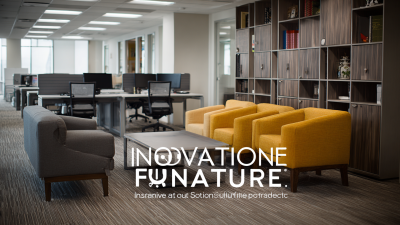
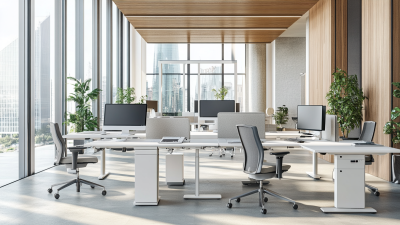
You know, as businesses keep evolving to meet the needs of today's workforce, it's pretty clear that Office Furniture is going to look a lot different by 2025. We're talking about a big shift, thanks to the mix oftech and ergonomic designs that will totally change how we think about and use our office spaces. This is all about creating fresh solutions that boost productivity and well-being. One company really leading the charge in this change is Guangdong Junshi Intelligent Furniture Co., Ltd. They’re all about smart office solutions, catering to everyone from government agencies to big enterprises and institutions. Their R&D team is always on the lookout for the latest tech to whip up intelligent workspace systems that encourage teamwork and spark creativity.
In this blog, we’re going to dive into some great strategies for navigating global sourcing in the office furniture market. By doing so, we'll make sure companies are ready to embrace the future of work while optimizing their environments for success.
Future Trends in Office Furniture Design for 2025: Adapting to Workstyle Changes
As we gear up for 2025, it’s pretty clear that office furniture design is evolving to keep pace with how we work and the need for some serious adaptability. It’s exciting to see that the global commercial furniture market is set to jump from about $73 billion in 2025 to around $93 billion by 2033, which breaks down to a steady 3.1% growth each year. This growth really shows that we’re moving towards flexible Workspace Solutions that can meet the various needs of today’s professionals, especially after the shifts we’ve all experienced during the pandemic.
With all this in mind, it looks like Canadian commercial real estate is gearing up for a bit of a bounce back. More businesses seem to be keen on expanding their office spaces, which is a good sign! But there’s also this whirlwind of change thanks to tech advancements—think artificial intelligence. By 2025, AI is likely to shake up how we approach work, going from just being handy tools to actual partners in our daily tasks. This is definitely going to impact the furniture designs we choose, pushing for spaces that encourage collaboration and make the most out of our office layouts.
And then there's the exciting stuff coming out of design showcases, like Design Shanghai 2025. They’re really showing a commitment to putting people first when it comes to workspace planning. We’re seeing modular designs and a strong focus on sustainability, which lets businesses create versatile environments that not only boost productivity but also reflect what they stand for. As we head towards 2025, the dance between evolving workstyles and groundbreaking design is going to play a major role in shaping the future of office furniture.
Future Trends in Office Furniture Design for 2025
The Role of Sustainability in Office Furniture: Impacts on Sourcing Strategies
You know, shifting to sustainable office furniture isn't just some passing fad anymore; it's really become a key part of how companies view their responsibilities and sourcing strategies. Lately, we've seen a bunch of new government rules popping up in different places that are pushing this change along, mandating that companies think about reusing and being more eco-conscious with their office furniture. According to the Global Office Fit-Out Cost Guide 2025, it’s clear that businesses are really starting to put a premium on sustainable materials. And it makes sense, right? They not only help the planet but can also save money in the long run. This guide shows that fit-out costs are tied to how seriously firms embrace sustainability, which means there’s a solid link between budgeting wisely and making eco-friendly choices.
On top of that, as companies juggle the tricky world of global sourcing, the whole idea of a circular economy is really starting to catch on. Research shows that using circular strategies can play a huge role in slashing waste and cutting down resource use. Honestly, addressing waste is proving to be just as crucial as energy efficiency when it comes to sustainability efforts, and companies that are all in on zero waste really seem to be reaping the benefits. Piyush Gandhi points out that even if a company’s budget is tight, there are still ways to bring in smart materials and green energy solutions that fit those financial limits while also being eco-friendly. This kind of innovative thinking is key for businesses that want to not just survive but thrive in the future while doing their part for the planet.
Global Sourcing Insights: Leveraging China’s Manufacturing Prowess in 2025
As we look toward 2025, leveraging China's manufacturing expertise will be crucial for businesses aiming to secure high-quality office furniture solutions. With China's rapid advancements in innovation across various industries, including electric vehicles and advanced technology sectors, the country is solidifying its position as a global leader. According to a report from the World Economic Forum, China is expected to account for more than 30% of global manufacturing output by 2025, highlighting its key role in the supply chain.
For companies like Guangdong Junshi Intelligent Furniture Co., Ltd., this presents an immense opportunity. By integrating smart office solutions with ergonomic designs, Junshi exemplifies how businesses can harness China's manufacturing prowess to create effective workspace systems. With the emergence of digital commerce and competitive sourcing strategies, companies are advised to explore partnerships with established Chinese suppliers to optimize cost while enhancing product quality. Insights from the latest market trends indicate that smart furniture will see significant growth, with a projected valuation reaching over $80 billion by 2025. This aligns perfectly with the increasing demand for intelligent workspace solutions worldwide.
Data-Driven Decisions: Predictive Analytics in Furniture Production and Supply Chain
You know, in today’s fast-paced world of office furniture design and production, it’s becoming super important for manufacturers and suppliers to tap into predictive analytics. By digging into past data and keeping an eye on what’s happening in the market now, companies can get a better grasp on what people are going to need, which helps them avoid having too much extra stock and fine-tune what they offer. It’s pretty neat how predictive analytics helps businesses sniff out which styles, materials, and features really click with different customers, so they can align their production to what folks actually want.
Plus, with global sourcing getting a bit more complicated these days, companies really have to be savvy about navigating these tricky supply chains that can throw a wrench in their plans. That’s where predictive analytics really shines—it helps in figuring out potential bumps in the road, like political hiccups or fluctuating costs for materials. This way, decision-makers can tweak their sourcing strategies before issues pop up. By leaning on data-driven insights, businesses can build supply chains that are resilient and can quickly adapt to changes in the market. This means they can stay competitive and continue delivering quality products to their customers. Honestly, this kind of strategic thinking in production not only boosts operational efficiency, but it also sparks innovation in product development, setting companies up for success in 2025 and beyond.
Integrating Smart Technology in Office Furniture: Trends and Consumer Preferences
Looking ahead to 2025, it’s pretty clear that smart technology is really starting to change the game when it comes to office furniture. You know, a recent report from MarketsandMarkets says that the global smart office market is expected to hit a whopping $82 billion by 2027, with a crazy annual growth rate of 24.3%. That’s wild! This skyrocketing demand is all about creating workspaces that are more efficient and ready for the shift toward remote and hybrid work. Nowadays, people really appreciate furniture that not only meets their needs but also boosts their productivity. So, companies are really leaning into smart office solutions as they revamp their spaces.
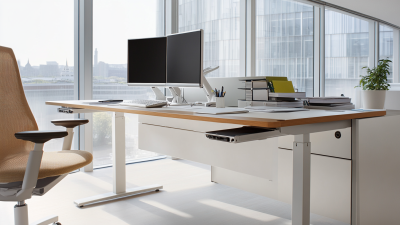
These days, it seems like everyone wants office furniture that can do a little bit of everything and adapt to their needs. A survey from Statista found that more than 60% of employees think that ergonomic and tech-savvy furniture really makes a difference in their work life. Features like built-in wireless charging stations, Adjustable Desks with memory settings, and smart sensors that can actually keep track of your posture are quickly becoming what people expect rather than just nice extras. For companies that focus on smart tech and designs that put employees first, it's not just about attracting top talent anymore. It’s about creating a workplace that really fosters innovation and productivity, which gives them a leg up in this competitive market.

Navigating Supply Chain Challenges: Strategies for Optimal Sourcing in a Global Market
In the ever-evolving landscape of global sourcing, companies must adeptly navigate supply chain challenges to optimize their procurement strategies. According to a recent report by McKinsey & Company, 75% of organizations reported experiencing supply chain disruptions over the past year, underscoring the urgent need for adaptable sourcing strategies. To mitigate these challenges, businesses are increasingly turning towards diversification of suppliers and nearshoring production. By engaging with suppliers closer to home, companies can enhance responsiveness and reduce lead times, ultimately improving service delivery.
Moreover, leveraging technology is becoming crucial in managing these complexities. The Global Supply Chain Institute highlights that investing in advanced analytics can lead to a 15-20% reduction in costs related to inventory management. Organizations are also utilizing blockchain technology for better transparency and traceability in their sourcing processes. By adopting these innovative approaches, companies can not only navigate supply chain hurdles but also position themselves as leaders in the competitive market, ensuring they’re well-prepared for the demands of 2025 and beyond.
Transform Your Workspace: Discover the Ultimate High Gloss Lacquer Office Desk for Style and Functionality
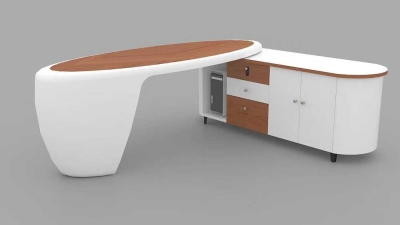
Transforming your workspace goes beyond mere aesthetics; it’s about finding the perfect balance between style and functionality. The ultimate high gloss lacquer office desk captures this balance effortlessly. With its smooth, beautiful surface and exceptional durability, this type of desk not only enhances the visual appeal of your office but also withstands the rigors of daily use. The Junshi Intelligent lacquer office furniture series is particularly noteworthy, offering a complete range of products that cater to various office needs.
What sets the Junshi lacquer desk apart is its combination of high-grade materials and customizable features. Made with environmentally friendly, health-conscious materials, these desks are designed to create a pollution-free workspace. The durability of the lacquer finish ensures that your investment lasts for years, maintaining its sleek appearance even under pressure. Moreover, the fast shipping and one-stop service offered by Junshi make it easy for businesses to upgrade their workspace without hassle.
With a design that prioritizes comfort and space optimization, the Junshi Intelligent lacquer office desk is a top choice for Modern Offices. Whether you’re looking to instill a sense of sophistication or simply want a reliable workstation, this desk embodies both luxury and practicality, making it a favorite among office professionals.
FAQS
: By 2025, China is expected to account for over 30% of global manufacturing output, making it crucial for businesses to leverage its manufacturing prowess to secure high-quality office furniture solutions.
Companies are advised to explore partnerships with established Chinese suppliers, which can help optimize costs alongside improving product quality through competitive sourcing strategies.
Smart furniture is expected to reach a valuation of over $80 billion by 2025, reflecting the increasing demand for intelligent workspace solutions worldwide.
Predictive analytics enables businesses to forecast demand accurately, reduce excess inventory, and align production with consumer preferences, enhancing overall operational efficiency.
Companies must navigate complex supply chains and potential risks such as geopolitical issues and fluctuating material costs, necessitating proactive adaptation of sourcing strategies.
Consumers are increasingly favoring multifunctional and adaptable office furniture that integrates smart technology, enhancing productivity and creating efficient workspaces.
Features like built-in wireless charging stations, adjustable desks with memory presets, and smart sensors for posture monitoring are now considered standard expectations rather than luxury add-ons.
By prioritizing smart technology and employee-centric designs, companies can foster innovative and productive workspaces that appeal to top talent and enhance employee satisfaction.
The demand for more efficient workspaces to accommodate remote and hybrid work environments is a key driver behind the projected growth of the smart office market, which is expected to reach $82 billion by 2027.
Utilizing data-driven insights allows companies to establish resilient supply chains, adapt quickly to market changes, and foster innovation in product development, positioning them for success in the future.